Optimize Education with CRM Software
CRM software, also known as Customer Relationship Management software, has become increasingly popular in various industries, including educational institutions. This software offers numerous benefits that can greatly enhance the efficiency and effectiveness of educational institutions’ operations. From streamlining communication to improving student engagement, CRM software has proven to be a valuable tool for educational institutions. In this article, we will explore the benefits of CRM software for educational institutions and how it can positively impact their overall performance.
Improved Student Management and Communication
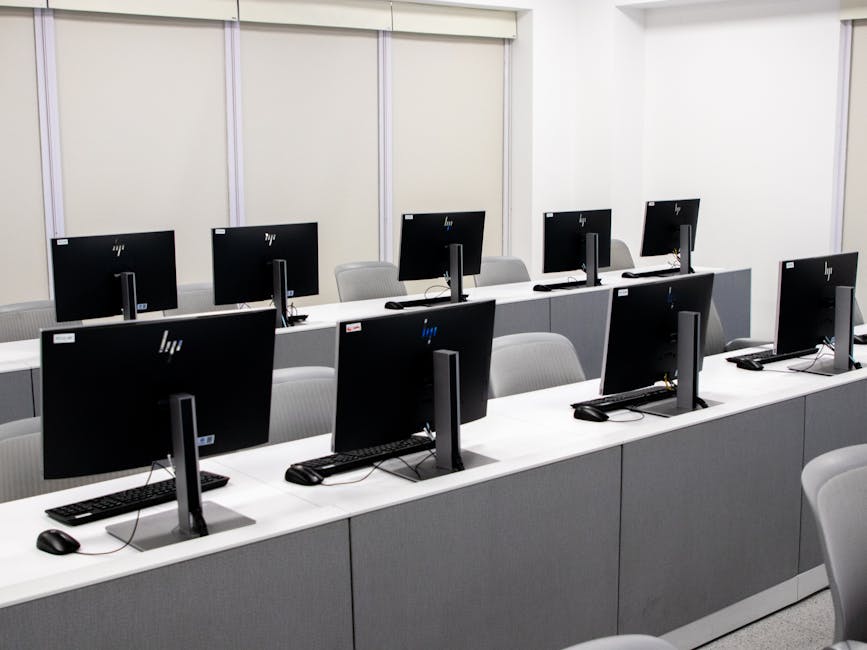
CRM software, or Customer Relationship Management software, is commonly associated with businesses and sales teams. However, its benefits extend far beyond the corporate world. Educational institutions, such as schools and universities, can also reap the rewards of implementing CRM software. In this article, we will explore how CRM software can improve student management and communication within educational institutions.
One of the key advantages of CRM software for educational institutions is its ability to streamline student management processes. With CRM software, schools can easily store and access student information in a centralized database. This eliminates the need for manual record-keeping and reduces the risk of data loss or duplication. Administrators can quickly retrieve student records, track attendance, and monitor academic progress with just a few clicks. This not only saves time but also improves the overall efficiency of student management.
Furthermore, CRM software enables educational institutions to personalize their interactions with students. By capturing and analyzing data, CRM software can provide valuable insights into individual student needs and preferences. For example, if a student is struggling in a particular subject, the software can flag this information and prompt teachers to provide additional support. This personalized approach enhances the learning experience and increases student engagement.
In addition to student management, CRM software also enhances communication within educational institutions. Traditional communication methods, such as phone calls and emails, can be time-consuming and inefficient. CRM software offers a more streamlined and effective communication platform. Teachers can easily send announcements, assignments, and reminders to students and parents through the software. This ensures that important information reaches the intended recipients in a timely manner.
Moreover, CRM software facilitates collaboration among teachers, students, and parents. It allows for seamless communication and information sharing between different stakeholders. For instance, teachers can share lesson plans and resources with their colleagues, ensuring consistency across classrooms. Parents can also access their child’s academic records and communicate with teachers through the software. This open line of communication fosters a strong partnership between the school and parents, leading to better student outcomes.
Another benefit of CRM software for educational institutions is its ability to track and analyze student data. By collecting data on student performance, attendance, and behavior, CRM software provides valuable insights into student trends and patterns. This data-driven approach enables schools to identify areas of improvement and implement targeted interventions. For example, if a significant number of students are consistently absent from a particular class, the school can investigate the underlying reasons and take appropriate action. This proactive approach to student management ensures that no student falls through the cracks.
In conclusion, CRM software offers numerous benefits for educational institutions, particularly in terms of student management and communication. By streamlining student management processes, personalizing interactions, and facilitating effective communication, CRM software enhances the overall efficiency and effectiveness of educational institutions. Furthermore, its ability to track and analyze student data enables schools to make data-driven decisions and implement targeted interventions. With CRM software, educational institutions can provide a better learning experience for their students and foster a strong partnership with parents.
Q&A
Q: What are the benefits of CRM software for educational institutions?
A: Some benefits of CRM software for educational institutions include improved student recruitment and enrollment management, enhanced communication and engagement with students and parents, streamlined administrative processes, and better data management and analysis for decision-making.In conclusion, CRM software offers numerous benefits for educational institutions. It helps streamline administrative tasks, improve communication and collaboration among staff, enhance student engagement and satisfaction, and provide valuable insights for decision-making. By implementing CRM software, educational institutions can effectively manage their relationships with students, parents, alumni, and other stakeholders, ultimately leading to improved efficiency and success in achieving their educational goals.