Optimize performance with CRM software.
CRM software, also known as Customer Relationship Management software, is a powerful tool that can be utilized for various purposes within an organization. One such purpose is performance management, which involves tracking and evaluating the performance of employees or teams. By effectively using CRM software for performance management, businesses can streamline their processes, enhance productivity, and achieve their goals more efficiently. In this article, we will explore the key steps and strategies to effectively utilize CRM software for performance management.
Benefits of Using CRM Software for Performance Management
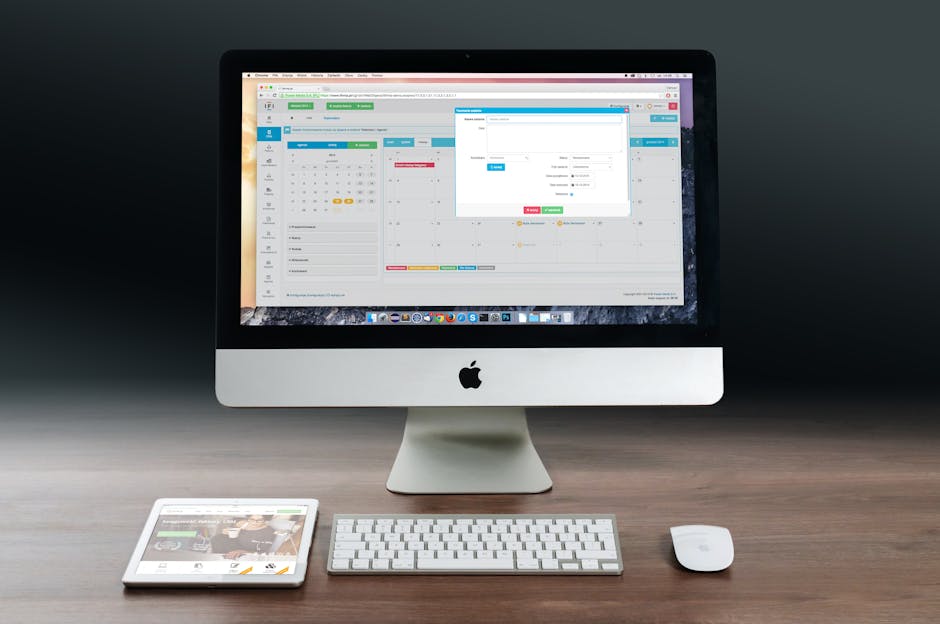
CRM software, or Customer Relationship Management software, is a powerful tool that can be used for various purposes within an organization. One of the key benefits of using CRM software is its ability to enhance performance management. In this article, we will explore the different ways in which CRM software can be utilized for performance management and the benefits it brings.
First and foremost, CRM software provides a centralized platform for managing customer data. This means that all relevant information about customers, such as their contact details, purchase history, and interactions with the company, can be stored in one place. This centralized database allows managers to easily access and analyze customer data, which is crucial for performance management.
By having access to comprehensive customer data, managers can gain valuable insights into customer behavior and preferences. This information can then be used to set performance goals and targets for sales teams. For example, if the data shows that customers are more likely to make a purchase after a certain number of interactions, managers can set targets for the number of customer interactions that sales representatives should aim for. This helps to align individual performance with overall business objectives.
Furthermore, CRM software enables managers to track and monitor the performance of individual employees. Through the software, managers can set up performance metrics and key performance indicators (KPIs) for each employee. These metrics can include sales targets, customer satisfaction ratings, and response times. By regularly monitoring these metrics, managers can identify areas where employees are excelling and areas where improvement is needed. This allows for timely feedback and coaching, which can help employees to continuously improve their performance.
Another benefit of using CRM software for performance management is the ability to automate certain tasks and processes. For example, the software can automatically generate reports and dashboards that provide real-time insights into performance metrics. This eliminates the need for manual data entry and analysis, saving time and reducing the risk of errors. Additionally, CRM software can automate the process of assigning leads or tasks to employees based on predefined criteria. This ensures that work is distributed evenly and efficiently, maximizing productivity.
In addition to these benefits, CRM software also promotes collaboration and communication within teams. The software allows employees to share customer information, notes, and updates in a centralized platform. This fosters collaboration and knowledge sharing, as employees can easily access and contribute to the collective knowledge base. By promoting collaboration, CRM software helps to create a culture of continuous learning and improvement, which is essential for performance management.
In conclusion, CRM software offers numerous benefits for performance management. It provides a centralized platform for managing customer data, allowing managers to gain valuable insights into customer behavior. It enables the tracking and monitoring of individual employee performance, facilitating timely feedback and coaching. The automation capabilities of CRM software streamline tasks and processes, saving time and reducing errors. Lastly, CRM software promotes collaboration and communication within teams, fostering a culture of continuous learning and improvement. By utilizing CRM software for performance management, organizations can enhance their overall performance and achieve their business objectives.
Q&A
1. How to Use CRM Software for Performance Management?
CRM software can be used for performance management by:
– Setting clear performance goals and metrics for each team member.
– Tracking and monitoring individual and team performance in real-time.
– Providing regular feedback and coaching to improve performance.
– Analyzing performance data to identify trends and areas for improvement.
– Using performance data to make informed decisions about promotions, rewards, and training opportunities.
– Integrating CRM software with other performance management tools and processes for a comprehensive approach.In conclusion, using CRM software for performance management can greatly benefit businesses by providing a centralized platform to track and analyze key performance indicators, set goals and targets, monitor employee performance, and provide real-time feedback. By effectively utilizing CRM software, businesses can improve overall performance, enhance customer satisfaction, and drive growth and success.